Sunday, September 15, 2019

History Podcasts Worth a listen


Image result for podcast clipart
The last year I’ve found myself listening to Podcasts while driving instead of listening to music. Sports, news, current events, theology, and true crime have all entered my playlist. But history remains my major interest. Below I’m sharing my favorite history podcasts. I listen through Apple but Stitcher also provides an easy and accessible format.
When it comes to regular history podcasts, the British have the best by far. Between the BBC, their excellent history magazines, and historians  British history podcasts are simply excellent. The list provided is not exhaustive but is merely some of the sites I’ve recently discovered. Please leave a comment if you know of others.
Image result for podcasts clip art

1.     In Our Time, BBC Radio 4. In Our Time is not strictly a history podcast but features a variety of discussions led by host Melvyn Bragg on a number of topics including arts, science, religion, literature, culture, philosophy, and history. Bragg is joined by leading academics and experts on the chosen subject. The website features a reading list for those who desire to pursue further research. The discussion is engaging and enlightening. While the history topics include a variety of European and world history subjects, surprisingly the podcast dedicates a number of episodes to American history. Listening to British academics discuss the War of 1812 (a topic almost unknown in British education) is well worth anyone’s time.

 Image result for bbc radio 4
2.     History Extra Podcast. History Extra is the podcast of the BBC History Magazine and episodes spotlight history stories and perspectives from all periods of World history. Many of the episodes feature an author discussing a book or paper so one of the dangers of this podcast is the temptation to purchase the book highlighted during each episode.

3.     The National World War II Museum: Service on Celluloid. Service on Celluloid is simply one of the most enjoyable podcasts available. If you love WWII history and movies then this podcast is a great listen. Every other week a panel of WWII historians discuss a WWII movie for its historical accuracy and artistic merit. Films discussed in this series include Fury, Kelly’s Heroes, The Dirty Dozen, Saving Private Ryan, Schindler’s List, The Great Escape, and Twelve O’Clock High. The next week a minisode often features a veteran sharing his experiences. One of the best podcasts available. 
    Sadly this podcast has discontinued, but all episodes are still available for listening. Perhaps the WWII Museum can be convinced to revive it.

Image result for world war ii movies


   A new podcast has recently appeared to hopefully satisfy those interested in Movies and warfare. Fighting on Film another British podcast deals with classic and obscure war movies. I'm still partial to Service on Cellioud but this might provide a good substitute.
  
    We Have Ways of Making You Talk is essential listening for any World War Two history buff. Comedian Al Murray and historian James Holland discuss all things WWII and both have in-depth knowledge of the war. James Holland is one of the foremost WWII historians today and has written a number of excellent readable books on the war. Not to be missed.

  
             History Today: Travels Through Time is the podcast of the British history magazine, History Today. The podcast presents one year in history in three scenes. Host Peter Moore leads the discussion by asking each guest, if you could travel back in time, what year would you like to visit? An enjoyable podcast. 

Home Brew History (podcast) - Home Brew History | Listen Notes
Homebrew History
       Homebrew History- Historians and friends Riley "Bo" Trisler and Joseph Ricci are two guys I know from classes at Southeastern Louisiana University and when they first announced their podcast I assumed it would be a nice little local history podcast. But their podcast has been a huge surprise as every week not only have they hosted excellent local historians from Louisiana but have managed to get interviews with internationally renowned historians. They lean towards military history but each week is always a pleasant surprise. And as the name of their podcast indicates they or their guest always has a good recommendation not only for a good read but a drink to go with it.  


BBC World Service - Wikipedia


5.   Witness History, BBC World Service. Witness History presents short episodes on a wide variety of historical subjects. Most episodes average about ten minutes and the diversity of subjects makes for fascinating listening. These episodes are also bundled together into the BBC History Hour.

         The History Hit Network has three podcasts that I've only recently been able to sample but so far have not disappointed. Dan Snow is a British television presenter and popular historian. His Dan Snow's History Hit is one of the most popular history podcasts in the UK and often features interviews with leading historians. The Ancients features regular podcasts on the Ancient World, The World Wars covers all history between the First World War to the Second World War, while The How and Why of History offers an introduction to history and historians. The History Hit Network also offers a TV package for those willing to pay a minimal fee.
H
History Hack is a daily history podcast hosted by British historians Alex Churchill and Alina Nowobilska. They feature excellent guest historians with a wide range of subjects in an entertaining manner. About once a week they host a Down the Pub episode where they discuss different topics while enjoying pints. Fast becoming one of my favorite podcasts. 


          Retropod is a podcast of the Washington Post featuring overlooked stories from mostly American history. Episodes lasting an average of 5 minutes is ideal for short drives and reminds me of the old Paul Harvey newscasts The Rest of the Story.
7.     How to Invent a Country from BBC Radio 4 looks at the geographical, historical, and cultural aspects that make each country unique. Each country is covered in several episodes and secondary teachers might discover the podcast a valuable addition to their history and geography lessons.

8.     You’re Dead to Me from BBC Radio 4 is a history podcast for those who don’t like history. Public historian Greg Jenner utilizes both historians and comedy to present history in an entertaining fashion. Jenner was the historical consultant for the children’s children show, Horrible Histories and the podcast maintains a balance of history and comedy. An ideal podcast for middle school and secondary teachers.

9.     Historically Thinking with Al Zambone features in depth discussions with historians on their latest book or research. Zambone specializes in colonial American history and wrote a book on the American revolutionary leader Daniel Morgan but the podcast covers all areas of history.

10.                         New Books in History on the New Books Network spotlights new historical works and allows those of us not exposed to the newest academic research to see some of the newest history volumes. Other interesting podcasts include various religious, biblical, and ethnic studies.

11.                         5 Minutes in Church History. Dr. Stephen J. Nichols of Reformation Bible College presents short expositions on important and interesting aspects of Christian Church history. Well worth a listen.

12.                         Revolutions by Mike Duncan began in 2013 and each season dedicates itself to a specific Revolution or Revolutionary wave. The first season examined the English Civil War which is where I’m listening now. His website has an excellent bibliography. Duncan previously hosted a podcast on the History of Rome which I have yet to listen.
Image result for french revolution


13.                         Back Story sponsored by Virginia Humanities uses current events to examine the history underneath current events. A team of historians tackles the history behind important events and makes the meaningful connections that lead to deeper understanding.

14.                         American History Tellers is a podcast by Wondery, hosted by Lindsay Graham. The podcast aims to tell the important stories vital to understanding American history.

15.                        The Way of Improvement Leads Home by John Fea from Messiah College is a bi-weekly podcast dedicated to American history and historical thinking. Very insightful podcast and Fea’s blog is also well worth following.

16.                        Atlanta Monster is a true-crime podcast which began with a detailed examination of the Atlanta Child killings which resulted in the conviction of Wayne Williams. A completely riveting podcast the present season spotlights the Zodiac Killer. Being a Georgian teen when the Atlanta killings began, I can testify that this was a central historical event in Georgia and the USA.

There are other subjects and podcasts out there but I’ve not listened enough to recommend more. I’m looking for other podcasts on Indian, East Asian, and African history. If you know of other podcasts worth exploring please leave a comment.


Saturday, September 7, 2019

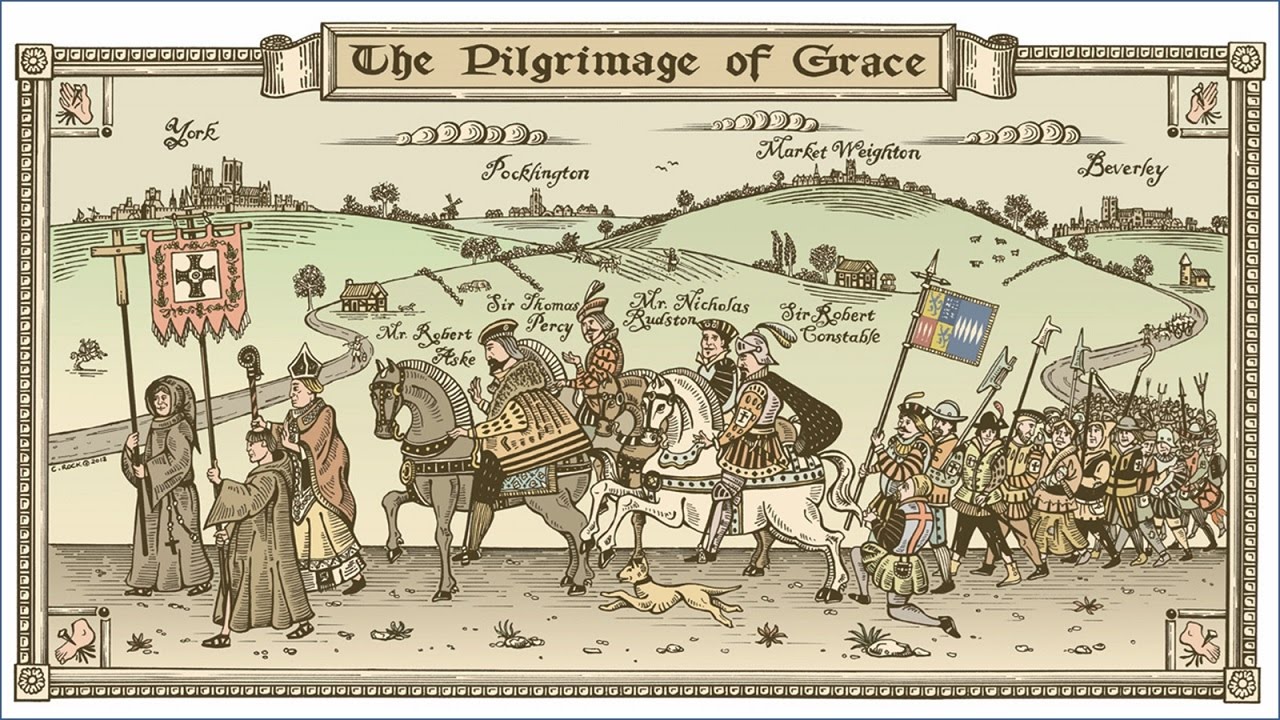
The Pilgrimage of Grace 1536-1537


 Image result for pilgrimage of grace

                       The Pilgrimage of Grace was a large popular uprising in Northern England which rose in response to the religious and economic policies of Henry VIII.[1] The dissolution of the monasteries led to the worst uprising during the reign of Henry. The rebellion began at Louth in Lincolnshire in early October 1536. While the Lincolnshire rebellion lasted only a fortnight the rebellion spread to Yorkshire. With an army of over 30,000 the pilgrimage posed a serious threat to a kingdom lacking a standing army. Many accept that religious differences were a chief cause of the Pilgrimage. The position of Roman Catholicism in North England remained robust, while Protestantism found an unsympathetic audience. The seizure of the monasteries by royal order stirred many of the commoners to action as monasteries endured as centers of devotion. Pilgrim’s anger over the closings led to rage toward authorities associated with the dissolution of the worship centers which they so richly treasured.[2] The most divisive religious issue was the Royal supremacy which declared Henry the head of the English church. While many Northerners forcefully rejected the Act of Supremacy, others reluctantly and narrowingly accepted the Act. The variety of motives regarding the royal supremacy within the rebels reveals itself by the absence of the Act in many of the lists and platforms early in the Pilgrimage.[3]
Workshop of Hans Holbein the Younger - Portrait of Henry VIII - Google Art Project.jpg
Portrait of Henry VIII by Han Holbein from Wikipedia
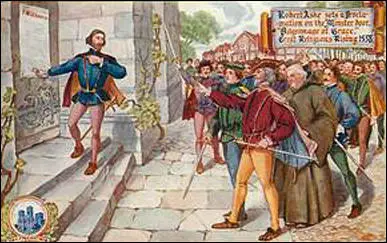
                        But religion was not the only motive for the rebels. While religious symbols and slogans shined brightly during the Pilgrimage, economics was also a prime motive for the rebellion. Chief among the economic concerns was the practice of heavy taxation especially, during peacetime. Many believed that the practice of oppressive taxation during peace was not only burdensome but unconstitutional as well. Taxation was expected for the defense of the nation but was highly detestable when there was no danger from war or invasion. The unpopularity of taxes granted in 1534 which made no allowance for poverty spread through all social classes. The 1536 Statute of Uses closed the loophole which both nobility and gentry evaded feudal payments.[4] Complaints about the Statute of Uses was one of the first grievances set forth from the Lincolnshire gentry.[5] These same concerns attracted lawyers such as Robert Aske, who was instrumental in the Pilgrimage leadership. Aske is a good example of a pilgrim holding both religious and financial motives for his protest. He demonstrates his religious devotion in his composition, The Oath of the Honourable Men saying, “Ye shall not enter into this our Pilgrimage of Grace for the commonwealth, but only for the love that ye do bear unto almighty God, his faith, and to holy church militant.”[6] But Aske also reveals his economic concerns in his account of his meeting with nobles and gentry at Pontefract,
And that now the profites of abbeys suppressed, tenths and furst frutes, went out of those partes. By occasion wherof, within short space or [of] yeres, there should be no money nor tresor in thos partes, nether the tenant to have to pay his rentes to the lord, nor the lord to have money to do the King service with all.[7]

Aske believed that once funds were exhausted from the dissolution of the abbeys and monasteries that the property of the nobles and gentry would be the next target. Also the North faced the prospect of a failed harvest in 1535 which impacted both gentry and commoners. In combination with taxes, the North faced burdensome economic conditions.
Henry VIII
Robert Aske in Yorke from Spartacus Educational
            The Subsidy Act of 1534 was groundbreaking since it justified taxation in peacetime because of the “civil benefits conferred on the realm by the king’s government.”[8] The justification for taxation takes a new direction with the subsidy as taxes exist not just for the common defense but also for the privilege of residing in the kingdom.
            The clergy also faced onerous taxation. Many viewed clerical taxation as part of Henry’s assaults on the church. The Valor Ecclesiasticus taxed the clergy for ten percent of the “value of clerical benefices.”[9] On the reverse, many also complained about forced tithes. Some such as the Cumberland protesters believed that tithes should be voluntary. This proposal brought conflict between laymen and priests, with many priests viewing the idea as another attack on the church. Further disagreement arose over the economic policies of the Pope. Even within the Pilgrimage, there were those who expressed resentment toward Rome because of the ecclesiastical seizure of resources. These rebels did not envision a return to an arrangement that allowed the Catholic Church with the ability to receive riches from the English sees.[10]
            In addition to real taxes and levies, the rumor of taxes became just as convincing for many Northern rebels. Taxes on livestock, acreage, and even on ecclesiastical church functions such as baptisms, marriages, and burials became widespread gossip. One rumor even claimed that a tax would yield a third of all a man owned. These rumors often alarmed the poor with claims that peasants faced stiff taxation.[11]
            Even the religious motivations of the pilgrims contained a mixture of economic concerns. Many objected to the closure of the monasteries and abbeys for purely spiritual motives, but others saw the religious centers as economic centers of employment for peasants but also as centers of charity. The monasteries cared for the poor during times of need and want, while the king offered no charitable alternative. When defending the monasteries Robert Aske not only provided spiritual reasons for their maintenance, but included reasons such as alms-giving, hospitality, and education.[12] The monasteries were an economic engine for many people and provided many functions for society. The rebels not only saw a religious vacuum with the absence of the monasteries but the disappearance of economic opportunity.
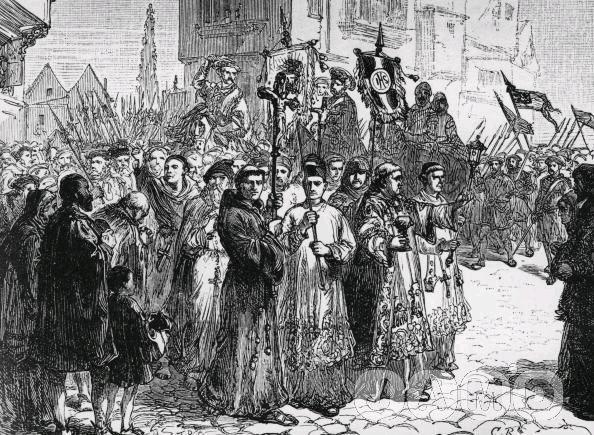
Pilgrimage of Grace from Wikipedia
             The settlement at Doncaster also reveals the economic concerns of the rebels. Many assumed that there would be a halt on the payment of disputed taxes until a parliament would meet in York. Many questioned Aske on the reliability of the supposed moratorium since the clerical subsidy or “tenths be gathered.”[13] Aske avoided the question, but the results were clear. The King still intended to collect all taxes.
            But for many pilgrims their concern was philosophical. They asserted that Henry’s kingdom did not function as a Christian commonwealth. Many blamed Henry’s ministers especially Cromwell, while some laid the blame at the feet of the King. But they arrived at these conclusions because they believed that a Christian kingdom dealt justly with their subjects and that all citizens along with the king cooperated for the mutual benefit of the realm. Unjust punishment and burdensome taxes did not mirror the principles of a devout Christian kingdom. A Christian society was a rightly ordered society, and the Henrican realm appeared broken in the eyes of many pilgrims.[14]
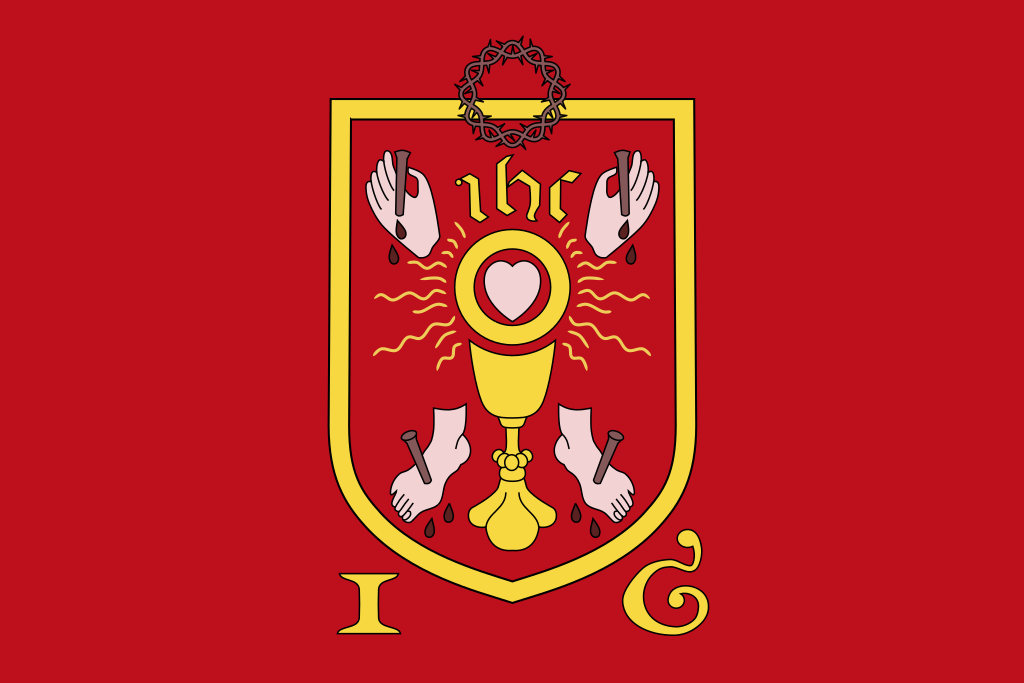
Banner of the Holy Wounds (Pilgrimage of Grace).svg

Banner of the Holy Wounds, used during the Pilgrimage of Grace. An English counter-revolution in 1536 against schism from the Catholic Church and against the destruction of the monasteries from Wikipedia

            Facing a fatal danger to his rule, Henry utilized diplomacy and negotiation through the Duke of Norfolk. The rebels’ only motive was to see the return of monastic lands and a discussion of their concerns within Parliament. The combination of seizure of the monasteries with the practice of high taxation caused many in the north to place most of the blame upon the King’s ministers especially Thomas Cromwell. The vast majority of those involved in the pilgrimage refused to place blame upon Henry.  The King granted conceded to all of the rebels demands and the uprising dispersed but soon afterward Henry soon broke his word and declared martial law. Rebel leaders faced trial and up to 200 including Aske were executed. 
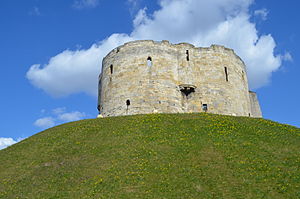
Clifford's Tower, the scene of Aske's execution in 1537 from Wikipedia

            The Pilgrimage of Grace was one of the largest popular uprisings in English history. The rebels possessed a force large enough to capture London if they desired. But their failure points to the contradictions within the pilgrims. There was never a clear agreement on the goals and purposes of the Pilgrimage. The inability for the rebels to demonstrate their goals reveals that even “the traditionalist Catholic population was severely divided.[15]


Bibliography
Fletcher, Anthony, and Diarmaid MacCulloch. Tudor Rebellions. Harlow, England: Pearson Longman, 1968.

MacCulloch, Diarmaid. Thomas Cromwell: A Revolutionary Life. New York: Viking, 2018.

Shagan, Ethan H. Popular Politics and the English Reformation. Cambridge: Cambridge University Press, 2003


[1] Ethan H. Shagan, Popular Politics and the English Reformation (Cambridge: Cambridge University Press, 2003), 89.  
[2] Shagan, 99.
[3] Shagan. 101-102.
[4] Shagan, 106.
[5] Anthony Fletcher and Diarmaid MacCulloch, Tudor Rebellions (Harlow, England: Pearson Longman, 1968), 48.
[6] Fletcher and MacCulloch, 143.
[7] Fletcher and MacCulloch, 143-144.
[8] Fletcher and MacCulloch,39.
[9] Shagan, 106.
[10] Shagan, 103.
[11] Shagan, 107.
[12] Shagan, 100.
[13] Shagan, 116.
[14] Shagan, 91.
[15] Shagan, 90-91

Wednesday, July 17, 2019

Spartan Women by Pomeroy and Plutarch On Sparta

Thanks to the movie the 300, Sparta remains a fascinating subject for even the casual reader. Many believe that Sparta was the ultimate in masculine warfare but Spartan Women by Sarah Pomeroy reveals the central role of women in Ancient Sparta and when read alongside Plutarch the rich tapestry and complexity of ancient Greek history becomes a fascinating subject worthy of exploration.   


The legend of Sparta captures the imagination of many through literature and movies. The image of a society dedicated to the military and warfare fascinates even amateur historians. Concrete information about Sparta is limited. Definite details about the lives of women in Sparta are even less certain. On Sparta by Plutarch is one of the primary sources which provides details about the monarchy and culture of Sparta. Sarah Pomeroy uses Plutarch as one of her sources in her book, Spartan Women.
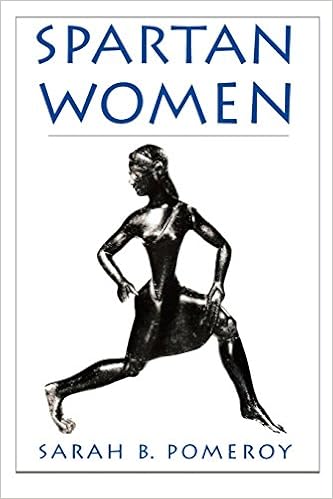
Spartan Women by Sarah B. Pomeroy

            Pomeroy scrutinizes the sources and presents a fuller portrait of many facets of the women of Sparta. Sarah Pomeroy, born in 1938, attended Barnard College and earned her doctorate at Columbia University. She is presently retired after many years of teaching at Hunter College in New York City and remains a leading authority on the lives of Greek and Roman women. Her sifting through the sources presents Spartan women as distinctive when compared to the rest of ancient Greece. The women of Sparta simply possessed more influence than other Greek women.
            Pomeroy divides her work into organized sections which feature different aspects within the lives of Spartan women. The first three chapters deal chronologically with the routines of the women. Starting with “Education,” “Becoming a Wife,” and “The Creation of Mothers,” Pomeroy lays out the topics important for women and girls. The final three chapters examine, “Elite Women,” The Lower Classes,” and “Women and Religion.” She offers a concluding section which summarizes her points and examines Spartan ethnicity through the issues of gender. The volume also offers a detailed appendix which provides extensive data on her sources.
Image result for ancient sparta map
Ancient Greek city-states from www.ixl.com
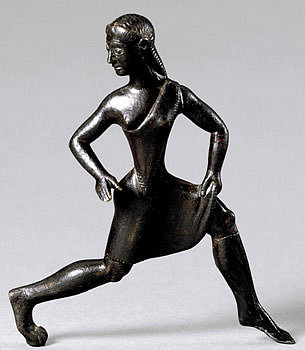
            Within most of Greece, there were limited educational opportunities provided for women. Literacy was important for the male citizens of Athens because democracy demanded an educated citizenry. Literacy was unavailable for the women. The opportunities for Spartan women differed from their Athenian sisters. The opportunities for education among the ladies and girls of Sparta exceeded those of other Greek women. Women trained in public speaking and “were encouraged and trained to speak in public, praising the brave, reviling cowards and bachelors.” (9) Verbal skills link to the necessity of literacy. Poetry and philosophy became an interest for Spartan females and while there are no existing examples of their work their effort in the arts continued into the Hellenistic period. Physical education and music were also educational foundations of female education in Sparta. There was a religious link to music and athletics as these activities coupled with religious festivals. Athletic competition and horsemanship were opportunities for women as part of the physical education system established by Lycurgus. Nudity was also a component of sporting events as girls competed either nude or wore a peplos (tunic) with an exposed breast. (25)
Spartan Woman Bronze Statue
Spartan Woman Bronze Statue from Ancient History Encyclopedia
            Eugenic principles greatly influenced the suitability of male babies as Sparta regularly practiced male infanticide by exposing unsuitable baby boys to the elements. There is no evidence that female children faced elimination through exposure as adult women cared for female infants.  
 Spartans placed great emphasis upon marriage, and they used many novel methods for spousal arrangements. Young adults often paraded in the nude during festivals which provided potential spouses a complete view of potential partners. It's possible that Spartan women had the opportunity of practicing polyandry as multiple fathers provided help in childcare. But it appears that Spartan society used numerous options in producing children including wife-sharing or husband-doubling. (40) Illegitimacy was not a fear for Sparta as long as all participating adults consented. An examination of Spartan martial arrangements reveals that women were active participants in the marriage process.
Spartan living arrangements gave women a leadership forum within the Oikos. Men usually dined with the other men in the syssition. Therefore women remained in charge of the food dispersal. (52) The diet of Spartan women even surpassed that of the men since men and boys were responsible for adding to their rations. The nourishment provided to Spartan females was of such quality that Xenophon remarks on it. (52)
Upon marriage, relationships faced numerous issues which reduced fertility. The prevalence of homosexuality reduced the number of children as men engaged in sex with other men when women refused the men sex. The regulations of Lycurgus placed strict limitations on the number of visits newly married couples could receive. It is probable that Spartan ignorance regarding fertility and frequency of intercourse decreased the number of children born in the first few years of marriage.
Mothers also were highly influential in the lives of their sons. Spartan women took great pride in a son who distinguished himself in battle. But Spartan mothers also were “renowned for enthusiastically sacrificing their sons for the welfare of the state.” (57) Mothers would not abide a son who abandoned his post or exhibited cowardice. A son who disgraced his state with cowardice might face death from his mother. A mother could assume the power of the state and kill her son if he fled the battlefield. Aristotle objected to the power of Spartan women when he observed that women often dominated their sons and even their husbands in certain situations. (69)
Many ancient societies believed that a woman who refused childbirth was unpatriotic. Sparta valued so highly mothers that only men who died in battle and women who died in childbirth received gravestones. (52) A good example of an assertive mother was Gorgo who emphasized the special role of Spartan women when asked about the power of Spartan females. A woman from Attica asked her, “Why is it that you Spartans are the only ones who can rule men?” Reportedly her answer was, “That is because we are the only ones who give birth to men.” When an Ionian visitor bragged about her special weavings, a Spartan woman responded by showing off her “four well-behaved sons” as the product of a “noble and honorable woman.” (135) Spartan society recognized the importance and contribution of their women, and this appears in the power and recognition given to their females.
Sources provide more information on the elite women than helot or doulai (slave) women. Land allotments were more favorable to Spartan women than other Greek females. Most lands fell under the control of the state and women. Because the women of Sparta lived longer, they often controlled the land as heiresses. Reforms also allowed women ownership of property and land. Aristotle drew attention to the huge number of landowning heiresses and the presence of oliganthropia (sparse male citizen population). Wealthy women gave elite females a voice in the household and society. Aristotle noticed this as well when he took notice that women had a larger role in aggressive and warlike societies. (92)
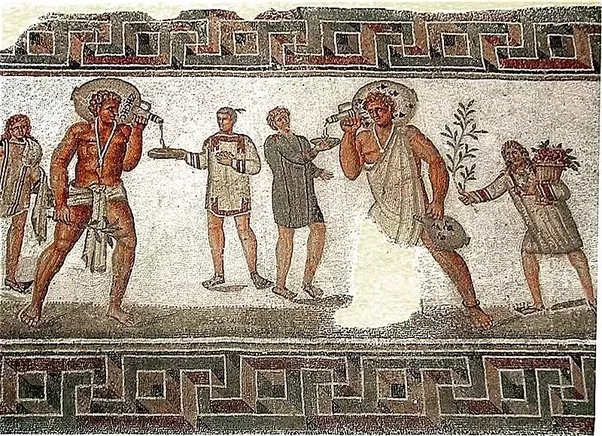
Helots from Medium
Lower class women present a challenge for the historical sleuth. Several classes of people outside of citizens lived in Sparta. The helots were farmworkers essential to Spartan society since Spartan citizens did not engage in agriculture. The helots functioned as slaves of the state but were allowed to live as a family in housing. Helots served at the pleasure of citizens, and any citizen could murder one for little cause. Some helots served in the military and became parents of half helot children. Mothakes, children of Spartan fathers and helot mothers might rise to recognition from their fathers and achieve freedom.
Other residents also added to the variety of Sparta. Free non-citizens or periokoi were free residents but not citizens. They engaged in crafts, as merchants, and sometimes agriculture. Other women also worked in the community. Spartan nurses had a high reputation and were often employed by foreigners. Lower than helots were the douloi or slaves who often served in households. Doulai women often weaved cloth and clothing for the household.
Women were also closely engaged in the religious cults and rituals and played an integral part in the propagation of the faith. Women took an active part in song, dance, feasts, offerings, athletics, chariot processions and weaving for idols. (106) The Greek pantheon contained numerous goddesses and many of the rituals and festivals centered on female deities. Artemis was an especially important fertility goddess who protected women and children. She was also closely associated with another nature goddess Orthia. Women actively participated in music, dancing, and celebration. Leaden figures from the seventh and sixth centuries demonstrate women playing flutes, lyres, and cymbals. Tales of abduction also feature during the festival and rituals may express the condition women find themselves when leaving their secure families only to arrive in the insecurity of a new marriage. (107) Other festivals and ritual centered on a wide variety of gods and goddesses with each having their distinctive rituals.
Menelaion 2

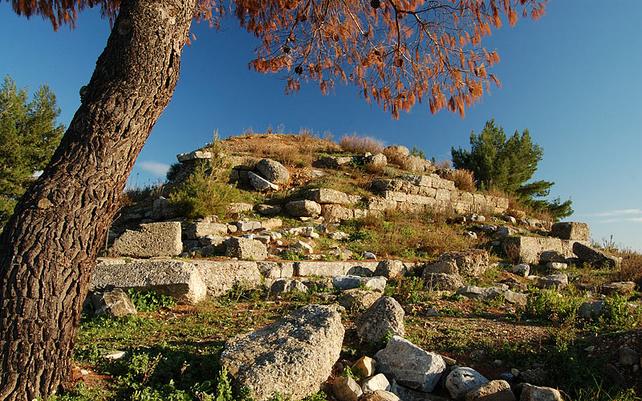
Remains of the Menelaion from University of Warwick

Especially important to Sparta was the Menelaion, which was the shrine of Helen, Menelaus, and Helen’s brothers Castor and Pollux. An interesting aspect of the Menelaion was the evidence produced through archaeology that Helen was not subordinate to her husband and even appeared independent of men. Similar to Artemis the worship of Helen also consisted of music and dancing.(114) Spartans prized beauty among females and Spartan women had a reputation for beauty among Greeks which may explain the importance of the cult of Helen. Herodotus tells the story of a deformed girl whose nurse carried her to the shrine of Helen begging for Helen’s intervention. Helen appeared, and after Helen touched the child, she grew into one of the most beautiful girls of Sparta causing quarrels among men who pursued her. Her beauty was so great that the Spartan King Ariston made her his third wife. (132-133)
Spartan women understood the rules and standards of their society, but they had a greater opportunity for participation than the typical woman of Greece. Spartan women were not passive but took advantage of the many occasions for involvement and leadership their society gave them. Women possessed power over their oikos often directing the nutrition and affairs of the household. They participated in the denunciation of cowards and even could bring death to their cowardly sons. Spartan women were outspoken and gained a reputation among Greeks as not only beautiful women but as blunt and forceful.
Plutarch, On Sparta
Pomeroy used numerous sources in her research one of which was Plutarch. Plutarch was born in Greece and later became a Roman citizen. He lived from about AD 46 to about AD 120 and became known for his histories, essays, and biographies. His works include Parallel Lives and Moralia. Plutarch’s On Sparta describes the lives of Sparta’s residents and the significant events of many of the leading citizens. When read with Pomeroy’s Spartan Women, Plutarch provides a fuller picture of Sparta.
Modern bust at Chaeronea intended to represent Plutarch, based on a bust from Delphi once identified as Plutarch, but now no longer
Plutarch from Wikipedia
Plutarch begins his work with the legendary Lycurgus, often recognized as the lawgiver. Even Plutarch recognizes the almost mythical status of Lycurgus, who possessed many conflicting accounts of his life travels and death. Contemporary historians have many doubts regarding the accounts of Lycurgus and recognize the difficulty of placing him into the history of early Sparta. According to Plutarch, Lycurguswas responsible for many of the reforms which shaped Sparta. One of Lycurgus’ chief reforms was the formation of the Council of the Elders which was composed of the Two Kings and twenty-eight of the citizens over sixty. The council acted as a stabilizer between the tyranny of a monarchy and the chaos of democracy. (8)He also redistributed the land and declared gold and silver invalid. With the use of iron for currency, the practice of hoarding became impractical. The introduction of common dining or messes increased comradeship and provided opportunities for men and boys to bond. Perhaps the most monumental reforms were the changes brought to the family. Lycurgus placed regulations upon newlyweds and penalized those who did not marry. Above all children belonged to the state, not to their fathers or mothers. Fathers brought children to a spot called the lesche where the male child received confirmation of his worthiness. (20)
Lycurgus from Wikipedia
Agesilaus was the Eurypontid king who came into office through remarkable circumstances. His father, Archidamus had another son Agis by Lampido a noblewoman. Because Agesilaus was not the heir, he brought up in the agoge, where he received the training and severe lifestyle that young men and boys faced. After his half-brother’s death, Agesilaus became king after the legitimacy of Agis’ son Leotychidas came under question. The irony behind Agesilaus as king was his imperfection. One of his legs was slightly shorter than the other, but Agesilaus performed well showing a unique ability to relate to his men due to his time in the agoge. Close to Agesilaus was Lysander, his lover whom he knew from his time in the agoge. Agesilaus demonstrated great courage on the battlefield refusing to retire from the battlefield until he saw the front despite his great wounds. Along with Lysander, Agesilaus pursued an aggressive military power, engaging in warfare until his death at 84.
By the time Agis IV assumed the monarchy, Sparta had become greedy, and the state became flooded with silver and gold. Agis expressed a desire to reform society and redistribute land and eliminate debt. Due to the opposition, the ephors sentenced Agis to death by strangulation. After Agis’ death, his brother Archidamus fled leaving Agis’ wife behind who was forced to marry Leonidas’ son Cleomenes. While Agis’ wife Agiatis pleaded against a forced marriage eventually, she made Cleomenes “a good loving wife.” It’s possible that Agiatis influenced Cleomenes in pursuing the reforms of Agis. After the death of his father, Cleomenes assumed the throne. Cleomenes after gaining confidence pursued the reforms proposed earlier by Agis, yet the ephors were an obstacle. Cleomenes removed the ephors by ordering their death. He began his reforms by handing over his lands first and then followed by his father-in-law Megistoous. Soon after others submitted their land, the land was divided equally. He also reformed the agoge and restored the training and messes. (106) After the defeat at the hands of the Macedonians, Cleomenes face exile in Alexandria. His mother Cratesicleia and children faced imprisonment by Ptolemy as ransom as a condition for his help. After Cleomenes committed suicide, she faced death heroically, and Plutarch remarks that “during these final stages  Sparta played her role through the prowess of women which was equally matched with that of men.” (131)
On Sparta also includes a section of sayings by Spartans and sayings by women. These sayings reflect the martial character of Sparta. For example, when questioned Agesilaus about  the lack of fortifications in Sparta he responds by pointing to the armed citizens and simply saying, “These are the Spartans’ walls.” (141) When a mother heard that her son was alive after escaping the enemy, she wrote to him, “You’ve been tainted by a bad reputation. Either wipe this out now or cease to exist.” (185)
Image result for cleomenes
Cleomenes from Wikipedia
Plutarch serves as an effective complement to a reading of Spartan Women. While Plutarch primarily examines the lives of important kings and Lycurgus the lawgiver but the influence and importance of women are apparent throughout. Lycurgus is careful in his instruction regarding marriage, newlyweds, and family life because he believes the oikos and the polis must maintain a balance. Homelife and marriage are important in the maintenance of the state and a healthy family produce children who protect the state. Stong women such as Agiatis and Cratesicleia were both instrumental in the reforms of Cleomenes due to their great influence upon him. The stoic and honorable death experienced by Cratesicleia remains as a memorial to Spartan women.